

Vastu Shastra for Home: The Eight Directions and What to Fix First
Vastu Shastra reads a home as a map of eight directions and an open centre, with a preferred place for the entrance, kitchen, bedroom, puja space and study. This is the whole plan on one page: what each direction is traditionally linked with, how to find yours in a flat with nothing but a phone, and what to do when the walls cannot move.
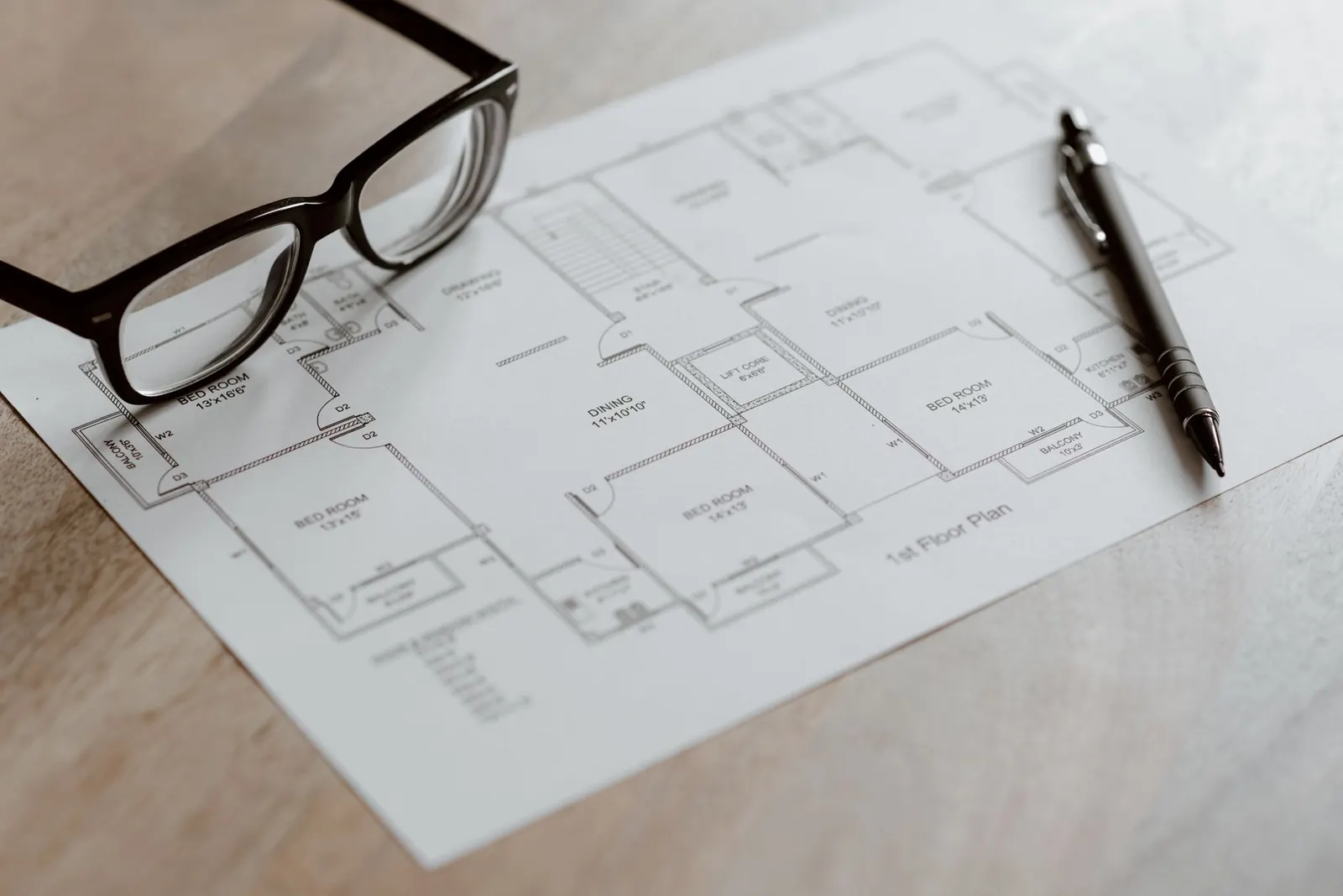
Vastu shastra for home starts from a simple picture: a house is laid over a compass, each of the eight directions has its own character, and each room is happiest in the zone that suits what happens in it. Fire belongs where fire is said to sit, rest where the ground is said to be heaviest, prayer where the light is said to be purest. Most vastu tips for home are just this picture applied one room at a time.
This guide is the hub for Astroliya's room guides. It puts the directions, the five rooms and the practical steps in one place, and links out to the detailed page for each room. As with everything on this site, vastu is presented here as a tradition many Indian families find meaningful, not as a law of nature. It does not decide your health, money or relationships, and nothing below replaces an engineer, a doctor or a financial adviser.
Vastu shastra for home: the eight directions
Classical vastu assigns each direction a guardian deity, the dikpala, and modern writers commonly map the five elements onto the four corners and the centre. The four cardinal directions sit between two corners and are usually read as sharing their neighbours' qualities. Schools differ on the finer points, so read this table as the common teaching rather than the only one.
| Direction | Guardian (dikpala) | Element in the common scheme | What tradition usually places there |
|---|---|---|---|
| North | Kubera, keeper of wealth | Between water and air | Entrance, study, the cash cupboard |
| North-east (Ishan) | Ishana, a form of Shiva | Water | Puja space, open floor, light |
| East | Indra, with the rising sun | Between water and fire | Entrance, study, windows |
| South-east (Agni) | Agni, fire | Fire | Kitchen |
| South | Yama | Between fire and earth | Heavier furniture, storage |
| South-west (Nairitya) | Nirriti | Earth | Main bedroom |
| West | Varuna | Between earth and air | Dining, a second bedroom, storage in many plans |
| North-west (Vayavya) | Vayu, wind | Air | Guest room, the second choice for a kitchen |
| Centre (Brahmasthan) | Brahma | Space | Kept open and uncluttered |
Two patterns explain most of the table. The north and east are the light side of the house: open, lower, brighter, which is why the entrance, prayer and study lean that way. The south and west are the heavy side: closed, settled, quieter, which is why the main bedroom and storage lean that way. Once you see that, the room rules stop feeling like a list to memorise.
Vastu for house rooms: Astroliya's five records at a glance
Astroliya's free Vastu guide keeps one short record per room, and the app's Vastu screen shows the same records. Here is the zone each record names, and one keep and one avoid line from each, side by side:
| Room | Traditionally preferred zone | One thing to keep | One thing to avoid | Full guide |
|---|---|---|---|---|
| Entrance | North, North-east or East | The entrance well lit and free of clutter | Piling shoes right at the door | Main door vastu |
| Kitchen | South-east (Agni corner) | The stove and the sink a little apart (fire and water) | A stove directly in line with the main door | Vastu for kitchen |
| Bedroom | South-west for the main bedroom | Head towards the south or east while sleeping | A mirror facing the bed | Vastu for bedroom |
| Puja room | North-east (Ishan corner) | Face east or north while praying | A puja space under a staircase | Pooja room vastu |
| Study | North or East | Face east or north while studying | Sitting with your back to the door | Vastu for study room |
Read the table across and a second pattern appears: the zone column is about where a room sits, but every other column is about how you use it. Of the thirty keep and avoid lines across all five records, not one asks you to break a wall. That is the honest shape of household vastu: a little geography and a lot of care.
How to find the directions in a flat with a phone compass
You do not need a vastu kit to map your home. A phone, a sheet of paper and ten minutes will do.
- Sketch the plan. Draw the outer boundary of the flat, not the building, with the rooms inside it. A builder's brochure plan is even better.
- Find the centre. For a rectangle, draw the two diagonals; where they cross is the Brahmasthan. For an L-shaped flat, practitioners differ: some complete the rectangle in imagination and take its centre, others use the middle of the main living space.
- Take the reading. Stand at that centre, hold the phone flat, and open the compass app. If it asks you to calibrate, move the phone in a figure of eight first.
- Stay away from metal. Steel almirahs, the fridge, grilles, inverters and electrical boards can pull the needle. Take three readings a step apart and use the one that agrees with the others.
- Mark north on the sketch, then draw a three-by-three grid over the plan, lined up with that north. The nine squares are the eight directions and the centre.
- Label each room by the square it mostly occupies. A room spread over two squares belongs to both, and a common practical approach is to read it by where its main activity happens: the stove, the bed, the shrine, the desk.
Two reassurances. Each direction covers a 45-degree slice, so a reading that is off by a few degrees almost never moves a room into another zone. And the gap between magnetic north and true north is small across India compared with that slice, so a phone reading is fine for household vastu. Once your rooms are labelled, the compass in the Vastu guide shows which zones each room's record lights up.
A worked example
Here is an illustration, not a real client's home: a two-bedroom flat whose door opens towards the east, with the kitchen in the north-west, the larger bedroom in the south-west, the smaller bedroom in the north-east and the living room across the middle and south-east.
| Room | Where it falls | Against the records | Simple adjustment |
|---|---|---|---|
| Entrance | East | Matches | Keep the shoe rack a step inside, not at the door |
| Kitchen | North-west | The tradition's second choice | Cook facing east; keep stove and sink apart |
| Main bedroom | South-west | Matches | Head to the south wall; move the mirror off the bed's line |
| Smaller bedroom | North-east | Used as a study; sits between the study record's north and east | Desk facing east or north, solid wall behind |
| Puja | Shelf in the living room | No separate room | Place the shelf on the living room's north-east wall |
Nothing in that flat needs to be rebuilt. Two rooms match, one sits in the tradition's accepted alternative, and the rest is furniture and habit.
When your layout can't change: an order of fixes
Most Indian homes, and almost every rented flat, were designed around plumbing, light shafts and building rules rather than vastu. Practitioners who advise people in finished homes tend to work down a list like this, stopping as soon as the home feels settled.
- Habits first. Cleanliness and order run through every room record, with light and repair close behind. They cost nothing and are hard to argue with on plain practical grounds too.
- Placement inside the room. Even in a kitchen outside the south-east, the stove can sit in the kitchen's own south-east part. The same idea works for the bed, the desk and a puja shelf: apply the compass to the room, not only the house.
- Which way you face. Facing east while cooking, studying or praying is in three of the five records, and it is free.
- Light, colour and screens. Soft colours in the bedroom, a curtain or half screen where the stove is visible from the door, more light on a dark entrance.
- Stop there. Moving a gas line, a drain or a wall is a major decision, and vastu alone is a weak reason to make it. Structural work belongs with a qualified engineer or plumber, and with your landlord in a rental.
What a vastu mismatch does not mean
Because vastu is often sold through fear, it helps to say this plainly. A kitchen in the north-east, a south-facing door or a bedroom outside the south-west does not mean illness, debt, quarrels or bad luck are on their way. Classical texts were written as guidance for builders, and where some of them list unfavourable results for a placement, those are traditional claims, not established effects on the people who live there. Families have lived well in every kind of layout for generations.
If someone tells you a placement is bound to bring harm, or that only an expensive remedy can undo it, treat that as a sales pitch rather than the tradition. Health worries belong with a doctor, money worries with a financial adviser, and cracks or damp with a builder.
Vastu tips for home and money
Many people come to vastu for one reason: money. The tradition links the north with Kubera and the cash cupboard, the entrance with what comes into the home, and the kitchen with Annapurna and the household's food. Our guide to vastu tips for money gathers those habits in one place and is honest about what they cannot do. A tidy north wall will not replace a budget.
If you search in Hindi for ghar ke liye vastu tips, the advice is the same tradition in different words: the eight directions, the five rooms and the same care-first approach. If you want to talk your own floor plan through, Astroliya's AI astrologer can go over the room records with you. It is an AI, it gives general traditional guidance, and it gives no structural advice.
Questions people ask
Is vastu shastra for home needed in a rented flat?
No. Vastu is a preference, not a requirement, and a rented flat is a perfectly good place to live whatever its layout. If you like the tradition, the parts that suit renters are the free ones: light, order, which way you face, and placing the bed, desk and puja shelf well inside each room.
Does a south-facing house need fixing?
Tradition prefers a north, north-east or east entrance, but it does not say a south-facing home is harmful. Many practitioners give more weight to where the door sits along its wall and how the entrance is kept than to the facing itself. Our main door vastu guide walks through it calmly.
Which room matters most in vastu?
Writers usually start with the entrance and the centre, because one is how the home is entered and the other is meant to stay open. In daily life, though, the kitchen and the bedroom are where the records' habits make the most practical difference.
Can I follow vastu without changing my furniture?
Mostly, yes. Every room record leans on habits: keeping the entrance clear, washing up before bed, keeping a mirror off the bed's line, keeping the desk clear. Start there, and move furniture only if it is easy and you want to.
Is vastu the same as astrology?
They are related branches of the same broad tradition but answer different questions. Vastu reads the layout of a space, while astrology reads a birth chart. Astroliya keeps them separate: the Vastu guide for your home, and your free kundli for your chart.
From the Astroliya store
Pieces for this guide
Chosen from our own store to go with what you just read.
 45% off7 Horses Raw Pyrite Vastu Frame for Wealth, Success & Career Growth₹549
was ₹999Buy 10% offLakshmi Yantra Pyramid with Free Raw Pyrite Stone for Wealth & Prosperity₹899
was ₹999Buy 53% offASTROLIYA 7 Trunk Elephant Pyrite Wall Frame for Wealth & Prosperity₹699
was ₹1,499Buy Authentic 5 Mukhi Rudraksha Mala - 108 Beads for Meditation₹1,260.60Buy